Timing matters when it comes to air conditioner cleaning. Cleaning at the right time helps improve airflow, reduce energy costs, and prevent unexpected breakdowns. This blog explains when professional air conditioning cleaning delivers the biggest benefits, how often it should be done, and why waiting too long can cost you more in the long run.
Regular cleaning of your air conditioning system plays a huge role in keeping your home comfortable and energy bills manageable. Timing matters just as much as the cleaning itself. Systems that are neglected often work harder, run inefficiently, or even experience breakdowns when they are needed most. Understanding the best time for air conditioning service protects the lifespan of your unit and supports better indoor air quality.
Why Timing Matters for Air Conditioning Systems
Air conditioning units that are not serviced regularly face more strain and higher running costs. Dirt, dust, and debris build-up inside the unit can restrict airflow and reduce efficiency. Filters that are clogged force the coil and compressor to work harder, while warm air struggles to circulate. The result is poor performance, higher energy bills, and sometimes strange noises that signal potential problems.
A technician can inspect the refrigerant, clean your air filters, and check for mould or other contaminants inside the unit. For split system air conditioners and ducted systems alike, scheduling service at the right time ensures your indoor air quality remains high and your system runs efficiently. Homeowners who plan cleaning proactively often experience fewer breakdowns and a longer lifespan for their units.
Signs Your Air Conditioner Needs Cleaning
Homeowners should watch for early warning signs that indicate it is the best time for an air conditioning service. Common signals include:
- Reduced airflow from vents or the indoor unit
- Strange noises during operation
- Unpleasant odours or signs of mould inside the unit
- Increased energy bills despite similar usage
- Warm air instead of cool air from a cooling system
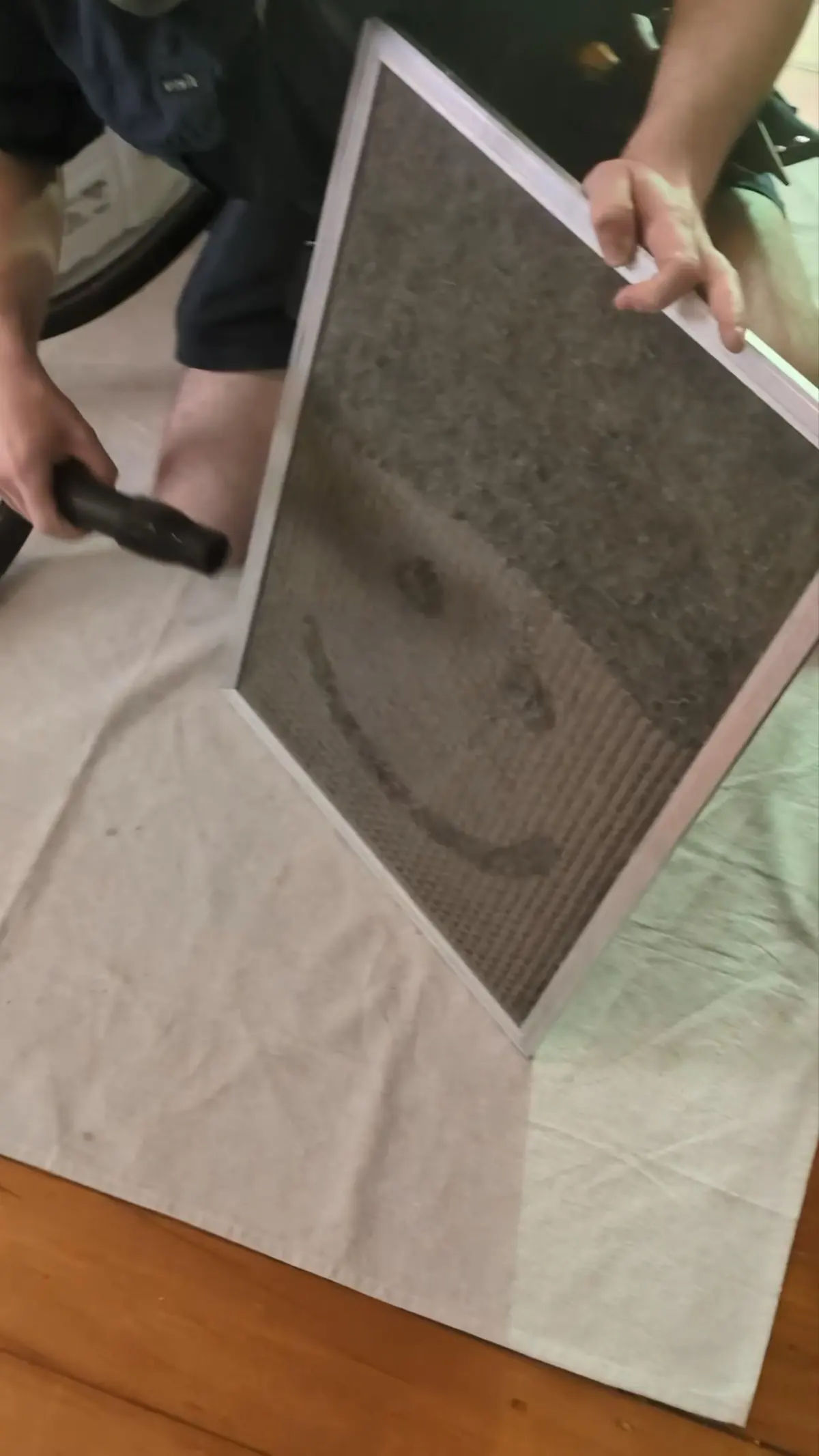
Clogged air filters are often the first sign of build-up. Dust and contaminants inside the unit can also settle on the coil, reducing heat transfer. If a split system air conditioner is not regularly cleaned, the indoor unit can accumulate debris that affects comfort and system performance. Addressing these issues early prevents breakdowns and maintains optimal indoor air quality throughout the home.
The Best Time of Year to Clean Your Air Conditioning Unit
Seasonal timing is crucial for keeping air conditioning systems running efficiently. Spring is ideal for cleaning before the hottest months when the system is working hardest. A clean indoor unit ensures that cool air flows freely and reduces the likelihood of the system working harder than necessary. After summer, service in autumn removes dust, pollen, and moisture that have built up, protecting the coil and preventing mould growth.
Ducted systems and split system air conditioners both benefit from seasonal servicing. Mitsubishi Electric units, for example, perform best when the indoor unit and air filters are cleaned before peak usage. Regular maintenance schedules allow technicians to check refrigerant levels, clean air filters, and inspect coils, supporting lower running costs and a longer lifespan. Planning service outside peak seasons also reduces wait times for appointments.
Cleaning Before Summer: Essential for Comfort
Summer places the highest demand on air conditioning systems. A clean system ensures that cool air circulates evenly and efficiently. Filters should be cleared of dust and debris so that the coil can transfer heat effectively. Warm air escaping from the indoor unit often signals that the system needs service.
Pre-summer cleaning reduces the risk of sudden breakdowns when temperatures rise. Technicians check air filters, inspect for build-up in the indoor unit, and clear any contaminants that affect airflow. Split system air conditioners that are serviced before summer run efficiently, lowering energy bills while maintaining comfortable indoor conditions.
Homeowners often notice immediate improvement in cool air delivery and quieter operation. Regular maintenance at this time of year prevents unnecessary strain and helps extend the lifespan of the air conditioning unit.
Cleaning After Summer: Protecting Long-Term Performance
Once summer ends, air conditioning units require attention to remove accumulated dust, pollen, and moisture inside the unit. Debris that remains can encourage mould growth and reduce indoor air quality. Post-summer cleaning also helps the coil work efficiently for heating and cooling as the weather changes.
A technician will inspect ducted systems or split system air conditioners, clean the air filters, and clear build-up from inside the unit. Regular maintenance reduces the risk of strange noises or breakdowns later in the year. Homeowners who schedule post-summer service often find that their system performs reliably during cooler months and avoids costly repairs while prolonging the lifespan of the air conditioning system.
How Often Different Air Conditioning Units Need Cleaning
Cleaning frequency depends on system type and usage patterns. Split system air conditioners used daily in high-traffic living areas require more frequent attention than lightly used units. Ducted systems spread air throughout multiple rooms and need regular maintenance to keep air filters and coils free from build-up.
Homes with pets or allergy sufferers should schedule air conditioning service more often to ensure indoor air quality remains high. Air filters should be checked and cleaned monthly if needed, while indoor units and coils are best serviced by a technician at least once a year. Mitsubishi Electric units, for example, benefit from annual professional cleaning even when filters are cleared regularly. This schedule supports consistent airflow, prevents breakdowns, and reduces running costs.
DIY Cleaning vs Calling in the Professionals
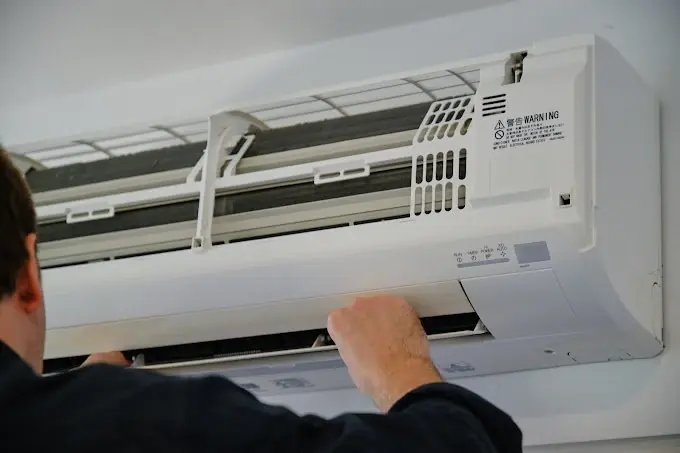
Homeowners can clean air filters themselves to improve airflow and indoor air quality. Removing dust from accessible areas helps the system run more efficiently and prevents minor issues from escalating. However, inside the unit, debris, mould, and contaminant build-up require professional attention.
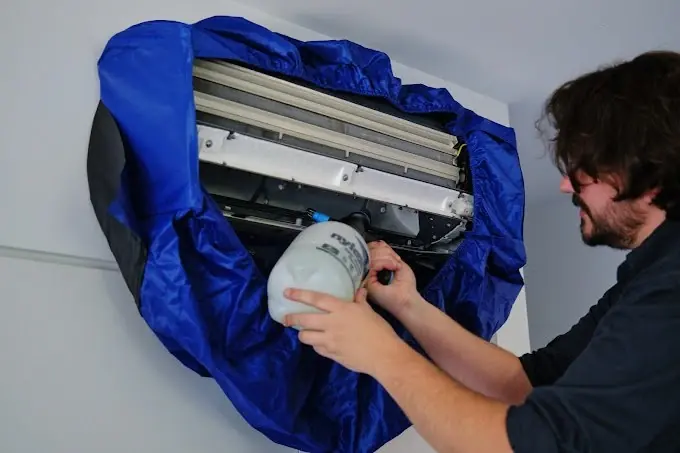
Technicians have the tools and expertise to service coils, inspect refrigerant levels, and remove stubborn build-up that DIY methods cannot reach. Attempting deep cleaning without experience can damage components or fail to restore optimal performance. Split system air conditioners and ducted units are particularly sensitive.
Professional air conditioning service ensures the unit continues running efficiently, reduces energy bills, and extends the lifespan of the system.
Why Split System Air Conditioners Get Dirty Faster
Split system air conditioners often operate for long hours in living areas, drawing in dust, pet hair, and other contaminants. Indoor units accumulate dirt more quickly than ducted systems because the airflow is concentrated in one location. If the air filters are not regularly cleaned, the coil becomes clogged, reducing heat transfer and causing the system to work harder.
Mitsubishi Electric split system units, for instance, benefit from technician service to remove build-up and maintain airflow. Regular cleaning ensures warm air or cool air is distributed efficiently, prevents strange noises, and helps avoid breakdowns. Homeowners who overlook maintenance may face higher running costs and reduced comfort.
What Happens When Cleaning Is Left Too Long
Neglecting air conditioning service leads to reduced indoor comfort and higher running costs. Dirt and debris inside the unit force the compressor and fans to work harder, increasing energy bills. Airflow is restricted, indoor air quality suffers, and contaminants like mould can spread.
Delays can result in strange noises, reduced cooling or heating efficiency, and eventual breakdowns. Regular maintenance ensures that coils, air filters, and refrigerant levels are checked before minor issues become major problems. Cleaning at the right time protects the lifespan of the system, maintains consistent indoor temperatures, and reduces the risk of costly repairs.
Reliable Comfort Starts With Regular Air Conditioning Service
Consistent air conditioning service keeps units running efficiently and predictably. Scheduling professional maintenance removes build-up inside the unit, clears air filters, and restores airflow. Homeowners enjoy stable temperatures, improved indoor air quality, and lower energy bills.
Regular maintenance ensures both ducted and split system air conditioners work at their best, preventing breakdowns and prolonging lifespan. Timely service protects comfort throughout the year and keeps indoor environments safe and pleasant.
Professional Air Conditioning Cleaning From AirCon-Men
AirCon-Men offers Basic and Premium air conditioning services for Australian homes. Our technicians clean split system and ducted air conditioning units, remove mould and contaminants, inspect coils, and check refrigerant levels.
Regular maintenance helps systems run efficiently, reduces running costs, and improves indoor air quality.
Contact AirCon-Men today to book a professional air conditioning service and keep your home comfortable, your system reliable, and your energy bills under control.
Want it done before the heat hits? See our aircon cleaning prices, or book a clean anywhere in Brisbane.
FAQs
How do I know my air conditioner needs cleaning?
Reduced airflow, strange noises, warm air, or higher energy bills are early warning signs.
When is the best time to clean a split system air conditioner?
Before summer for cooling and after summer for heating and cooling preparation.
How often should air filters be cleaned?
Air filters should be regularly cleaned monthly, or more often in homes with pets or dust.
Can I clean the indoor unit myself?
Filter cleaning is safe, but coils and the unit’s interior require a technician.
Does professional air conditioning service help reduce running costs?
Yes. Technicians remove build-up, clear airflow, and ensure systems run efficiently, lowering energy bills and extending lifespan.